
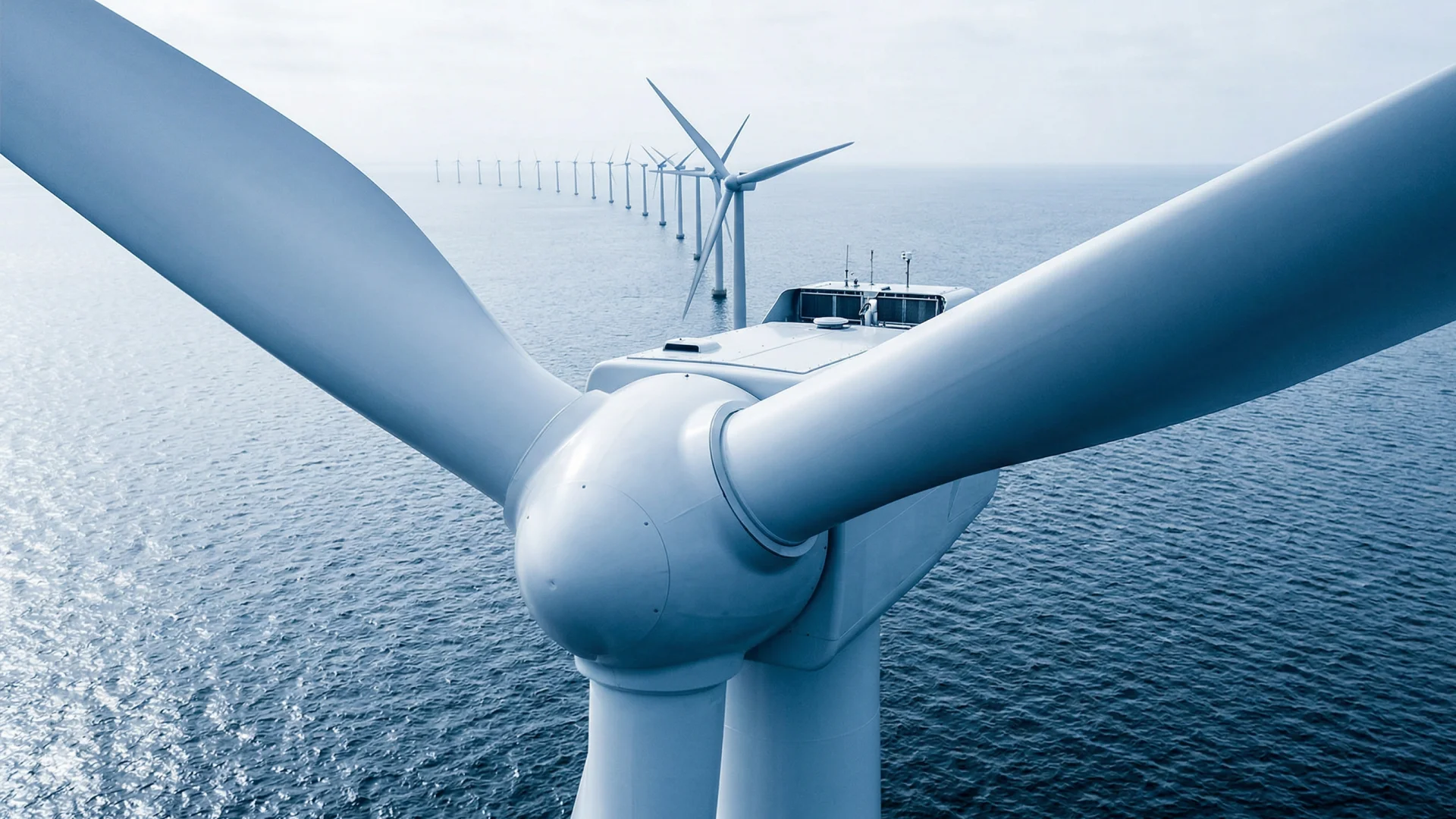
Energy drone services
Safer inspections, lower costs, and faster data for solar farms, wind turbines, pipelines, and power grids.
Manual inspections
are costing you more
Climbing wind turbines, walking miles of pipeline, and scaffolding solar arrays puts workers at risk and shuts down operations for days. With energy infrastructure spanning thousands of acres and dozens of high-altitude assets, the real cost isn't just the inspection — it's the downtime, liability, and defects you never catch.
Benefits of drones
in energy
From solar farms to offshore platforms, drone inspections deliver faster turnaround, higher accuracy, and zero-risk data capture — so you can maintain assets, meet compliance, and protect your team without operational disruption.
Safer inspections
Keep workers off towers, turbines, and hazardous structures.
Reduced downtime
Inspect assets without shutting down operations.
Early defect detection
Thermal and visual data catches failures before they spread.
Regulatory compliance
Meet OSHA, NERC, and EPA standards with documented data.
Explore our
energy services
From solar panels to oil pipelines, choose the inspection and mapping services your energy operation needs.
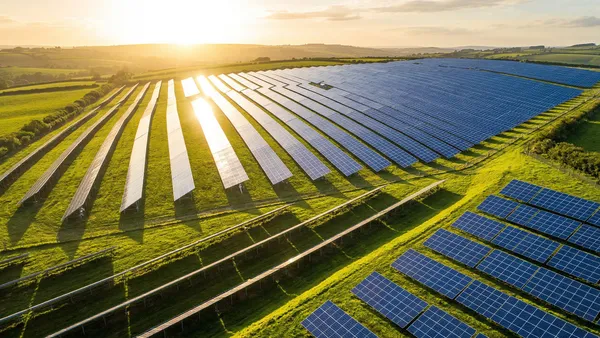
Solar Farm Inspection
Thermal scanning to detect hotspots, micro-cracks, and underperforming panels across utility-scale solar arrays.
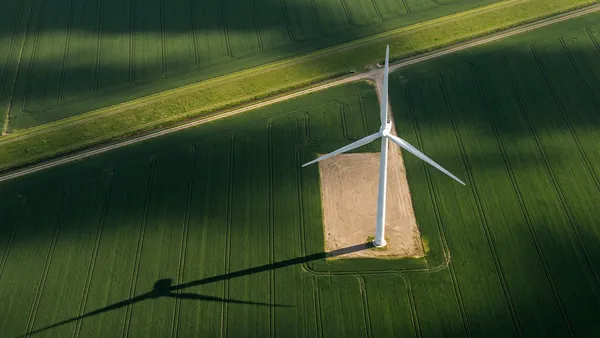
Wind Turbine Inspection
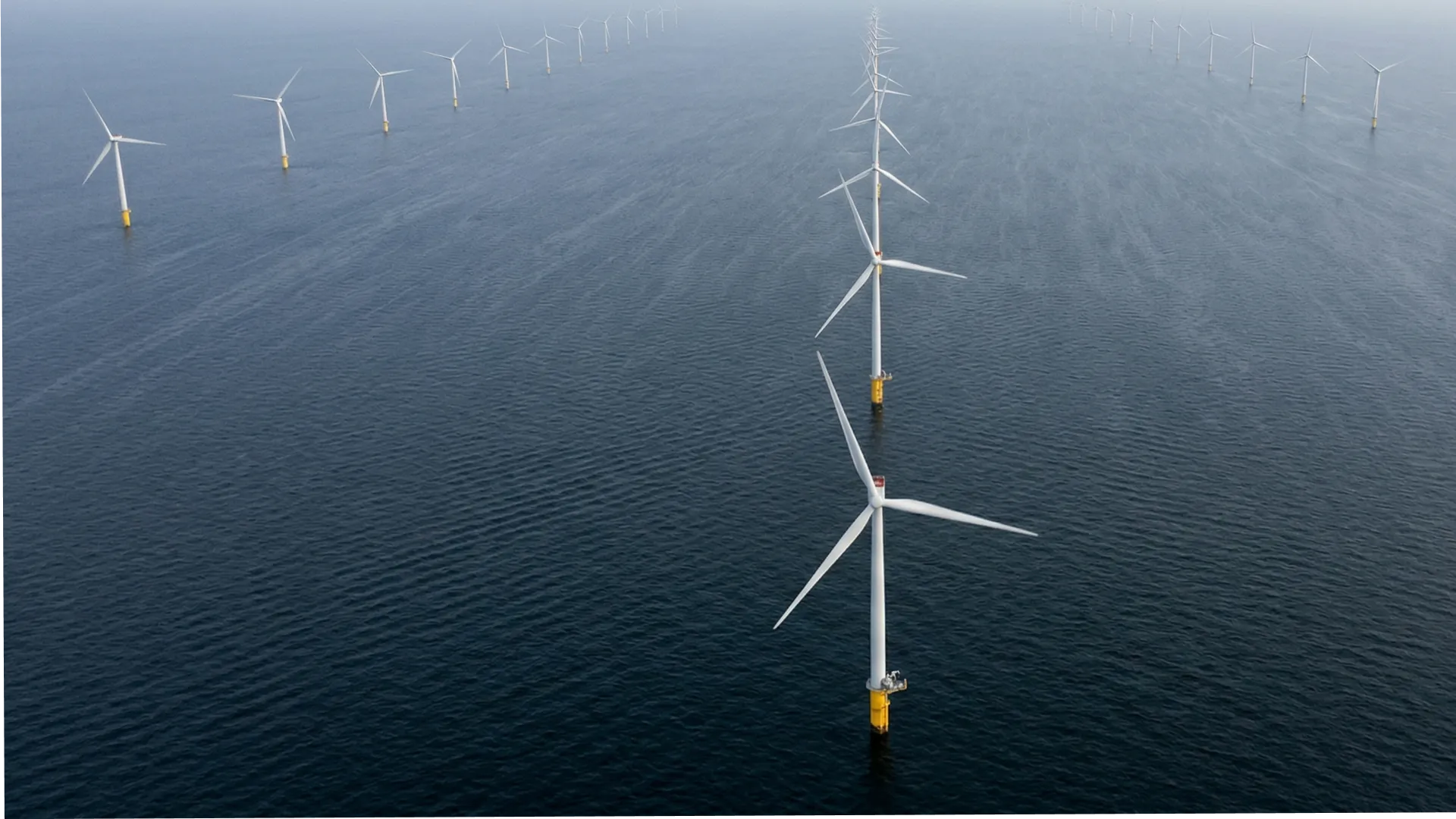
High-resolution blade and nacelle inspections without climbing or crane access — faster and safer.
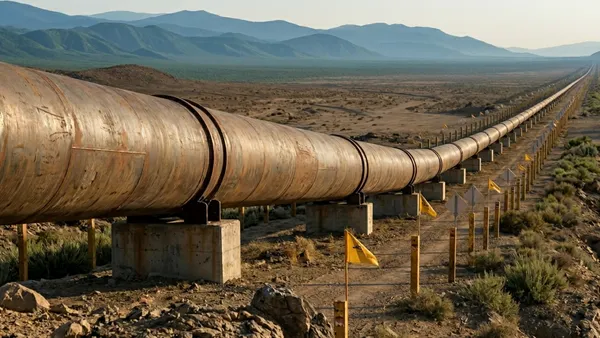
Oil & Gas Monitoring
Pipeline flyovers, refinery inspections, and methane leak detection with thermal and gas-sensing payloads.
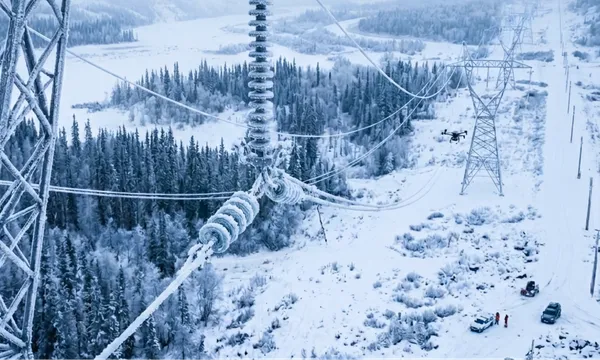
Power Line & Grid
Transmission and distribution line inspections with LiDAR mapping for vegetation encroachment and fault detection.
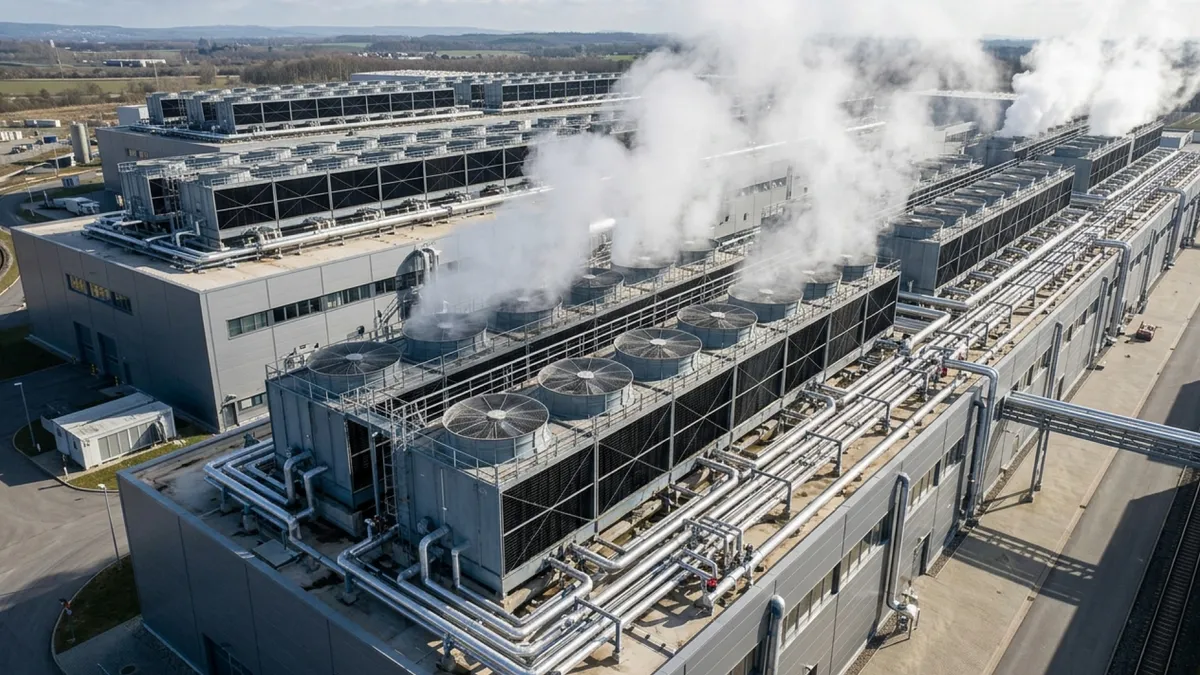
Inspect faster
Act sooner
*Based on drone inspection programs vs. traditional scaffolding and manual walk-down methods.
The right sensor for every asset
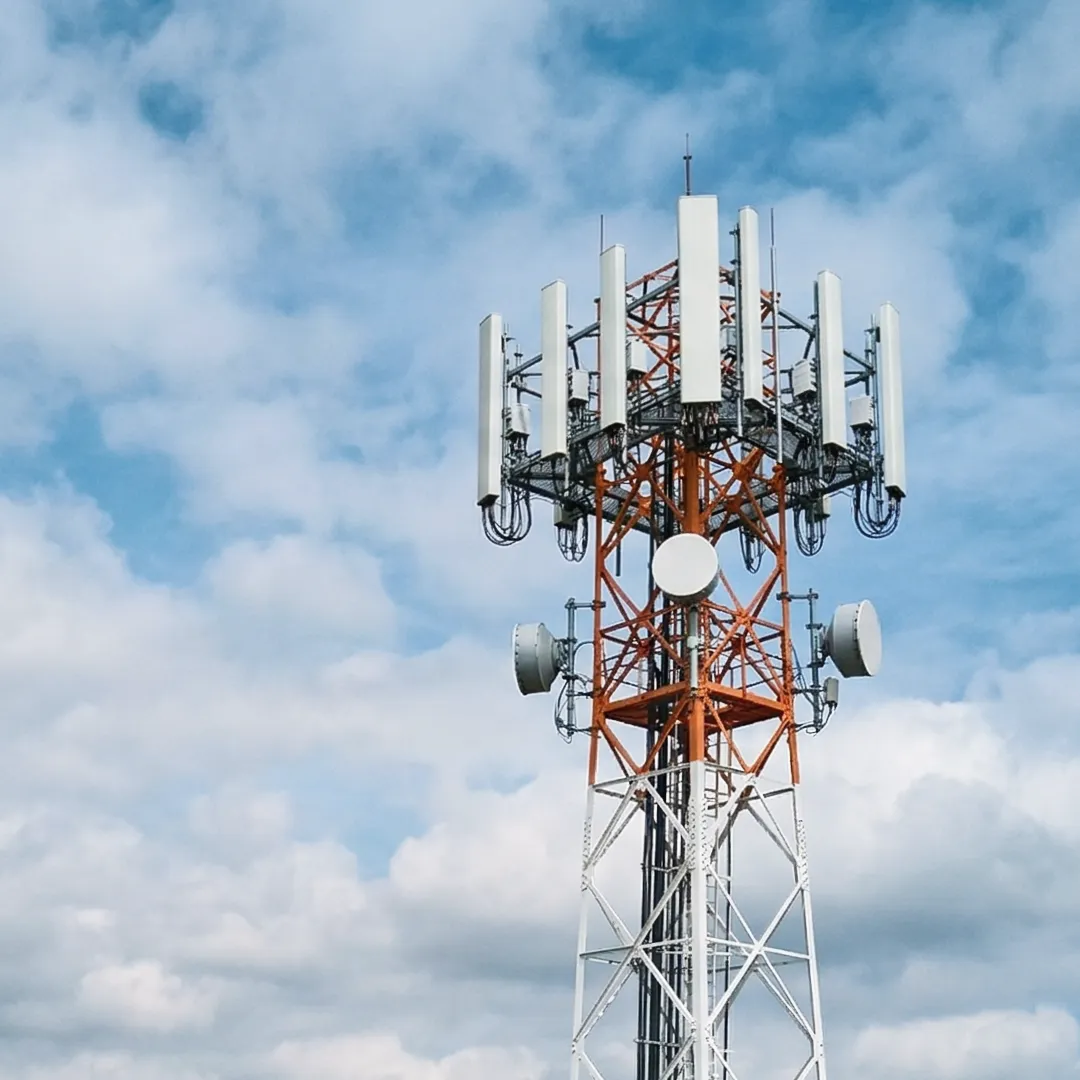
Thermal imaging detects hotspots and electrical faults. LiDAR maps terrain and vegetation clearance. Multispectral sensors monitor environmental impact. We match the right payload to your specific infrastructure needs.
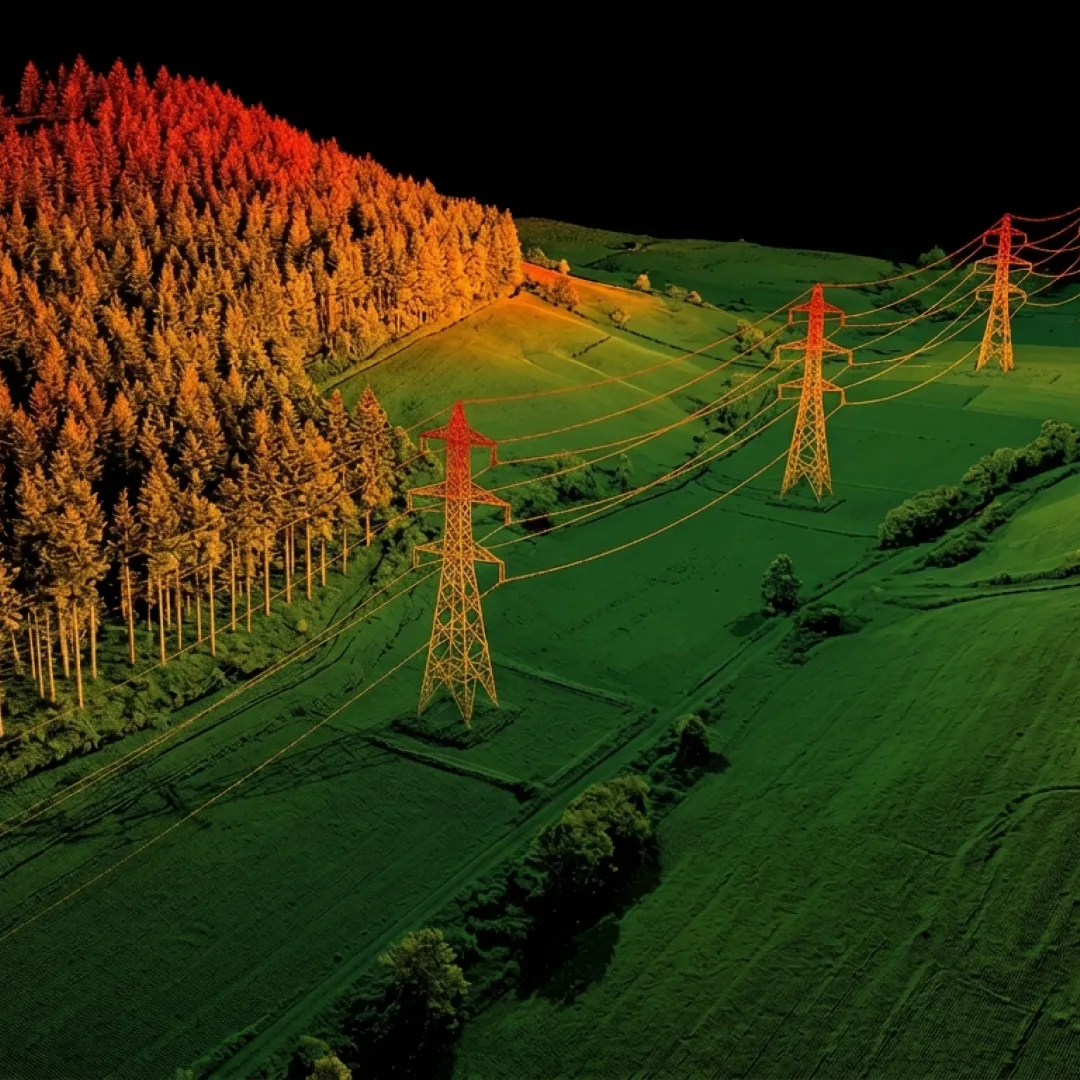
Predictive maintenance
Combine drone data with your asset management system to schedule maintenance before failures happen — reducing unplanned outages and extending equipment lifespan.
Getting started is simple
01. Tell Us Your Assets
Identify infrastructure, compliance needs, and inspection scope.
02. We Inspect & Capture
FAA-certified pilots deploy thermal, LiDAR, or RGB payloads on-site.
03. Get Actionable Data
Receive inspection reports, defect maps, and maintenance insights in 48 hours.
Smarter energy starts
from above
Safer inspections, faster data, fewer disruptions — delivered by certified drone pilots.
How it works?
Everything energy teams need to know about deploying drone inspections on their sites and assets.
ContactDrones inspect wind turbines, solar panels, pipelines, and power lines using thermal, LiDAR, and RGB cameras. They detect defects, map terrain, and monitor assets — reducing inspection time by up to 75% while keeping workers off dangerous structures.
Energy site drone inspections typically range from $1,500–$5,000 per deployment depending on site size, sensor type, and deliverables. Thermal solar farm scans sit at the higher end. Most companies see 5–10× ROI through reduced downtime and early defect detection.
Yes. Thermal drone cameras identify hotspots, micro-cracks, and underperforming cells invisible to the naked eye. A single flight can scan thousands of panels in hours — work that takes manual crews weeks. Defect detection rates improve by up to 30% vs. ground inspection.
Drone inspections eliminate the need for workers to climb structures, enter confined spaces, or work near hazardous materials. They reduce on-site safety incidents by up to 60%, meeting OSHA and industry safety standards.
Critical assets like wind turbines and transmission lines benefit from quarterly drone inspections. Solar farms should be scanned at least twice per year — before and after peak season. Oil and gas pipelines may require monthly flyovers depending on regulatory requirements.